Whitefish Font: Timeless Elegance for Modern Design
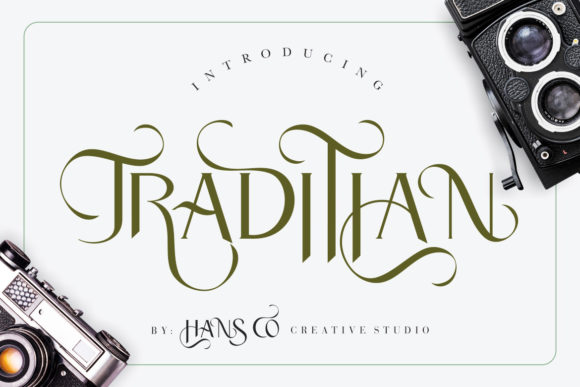
If you're looking to add a touch of sophistication and vintage charm to your design projects, Whitefish is the font that can elevate your work. With its elegant curves, stunning swashes, and classic appeal, Whitefish stands out as a premium display font that feels both timeless and modern.
The Visual Personality of Whitefish
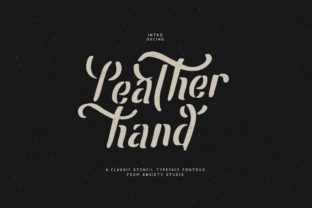
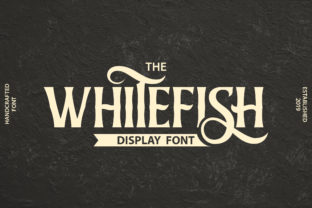
Whitefish brings a sense of refinement and artistry to any text it graces. Its visual characteristics include flowing serifs, graceful ascenders, and beautifully crafted swashes that give it a hand-drawn feel without sacrificing legibility. This makes it ideal for creating a warm, inviting aesthetic that resonates with audiences across various industries.
As a serif font, Whitefish has a strong visual presence that works well in both print and digital formats. The intricate details in each letterform make it perfect for headlines, logos, and other design elements where visual impact matters most.
When to Use Whitefish in Your Projects
Whitefish shines in creative and branding applications. Whether you're designing a logo, crafting editorial layouts, or working on packaging designs, this font adds a level of elegance that speaks volumes about your brand's identity. It’s particularly effective in niches like fashion, lifestyle, and luxury goods, where aesthetics play a crucial role in consumer perception.
For marketers and content creators, Whitefish can be used in social media graphics, blog headers, and promotional materials. Its vintage look gives these elements a unique character that helps them stand out in crowded feeds and web spaces.
Designers working on personal or commercial projects will find that Whitefish adds a professional touch to everything from wedding invitations to business cards. It's versatile enough to fit into many styles while maintaining a consistent and recognizable look.
How Whitefish Influences Design and Brand Perception
The choice of typography can significantly affect how a brand is perceived. Whitefish, with its elegant and vintage appearance, communicates a sense of tradition, quality, and craftsmanship. These associations are powerful tools for building trust and recognition among your target audience.
Using Whitefish consistently across your brand assets—such as logos, websites, and marketing collateral—helps reinforce brand identity and ensures a cohesive visual language. This consistency is key to making your brand more memorable and professional in the eyes of consumers.
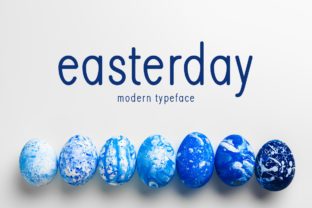
In terms of readability, Whitefish performs well in larger sizes, which makes it suitable for headlines and titles. When paired with a clean sans-serif font for body text, it creates a balanced and visually appealing layout that enhances user experience.
Choosing and Using Whitefish Effectively
Selecting the right font for your project involves considering several factors, including the message you want to convey, the medium you're using, and the audience you're targeting. For Whitefish, think about whether its vintage charm aligns with your brand's personality and the context in which it will be used.
Before committing to Whitefish, test it with different font pairings to see how it interacts with other typefaces. A good rule of thumb is to pair it with a complementary sans-serif font for body text, ensuring that the overall design remains readable and visually harmonious.
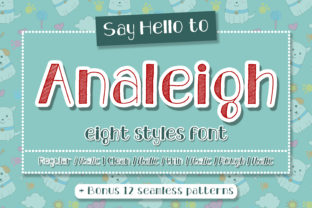
Also, review the available styles within the font family. Some versions may offer additional weights or stylistic variations that can enhance your design further. Always consider the size and spacing of the text when using Whitefish to maintain clarity and avoid overcrowding the page.
Finally, ensure that you have the appropriate commercial license if you plan to use Whitefish in a professional or commercial setting. Many premium fonts require licensing for certain uses, so it's important to understand the terms before proceeding.
By thoughtfully incorporating Whitefish into your design projects, you can create pieces that not only capture attention but also leave a lasting impression on your audience.